
Shree Ballaleshwar Ganapati Temple – Pali, India
On this page
Introduction
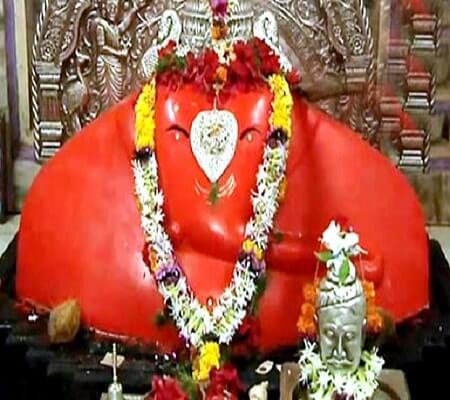
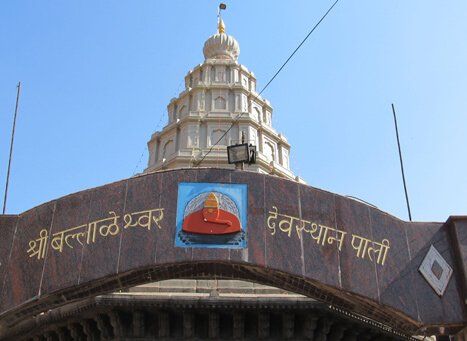
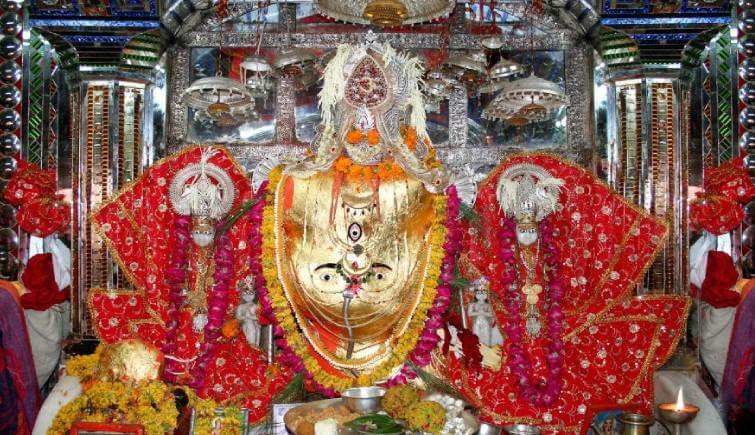
The Shri Ballaleshwar Ashtavinayak Temple is one of the eight Ashtavinayak temples dedicated to Lord Ganesha. Unique among the Ashtavinayak temples, it is the only one named after a devotee of Lord Ganesha. Situated in the town of Pali, the temple lies 57.1 km from Karjat via SH92 in the Raigad district and is 120 km away from Pune city. Nestled in the Konkan region of Maharashtra’s Raigad district, it is positioned between Fort Sarasgad and the Amba River.
The original wooden temple was rebuilt in stone in 1760 under the direction of Shri Fadnis. Designed in the shape of the letter “Shri,” the new structure incorporated lead into the cement to enhance durability during its construction. The temple, facing east, is strategically placed so that the morning sunlight directly illuminates the idol of Lord Ganesha during prayers. Notably, the temple houses a bell that was seized by Chimaji Appa, a leader of the Peshwas, following his victory over the Portuguese in Vasai and Sasti.
Surrounded by two lakes, the temple complex is tiled throughout. It features two sanctuaries: an inner sanctum, standing at 15 feet high, and an outer sanctum, which is 12 feet high. The outer sanctum displays a statue of a rat, the vahana (vehicle) of Lord Ganesha, holding a modak (a sweet delicacy) and facing the deity. The main hall stretches 40 feet in length and 20 feet in width, supported by eight pillars designed to resemble Cyprus trees.
Temple Location
Address:
Taluka Sudhagad, District Raigad,
Pali, Maharashtra – 410205
Frequently asked questions
- What is the Shri Ballaleshwar Ashtavinayak Temple?
It is one of the eight Ashtavinayak temples dedicated to Lord Ganesha, and the only one named after a devotee of Lord Ganesha.
- Where is Ballaleshwar Temple located?
It is in the town of Pali in the Konkan region of Maharashtra’s Raigad district, between Fort Sarasgad and the Amba River, 57.1 km from Karjat and 120 km from Pune city.
- When was the temple rebuilt in stone?
The original wooden temple was rebuilt in stone in 1760 under the direction of Shri Fadnis, in the shape of the letter “Shri.”
- Why does the temple face east?
It is placed so that the morning sunlight directly illuminates the idol of Lord Ganesha during prayers.
- What is notable about the temple bell?
The bell was seized by Chimaji Appa, a leader of the Peshwas, following his victory over the Portuguese in Vasai and Sasti.
- What is in the outer sanctum?
The outer sanctum displays a statue of a rat, the vahana of Lord Ganesha, holding a modak and facing the deity.
Continue reading
Ganesh Temples in India →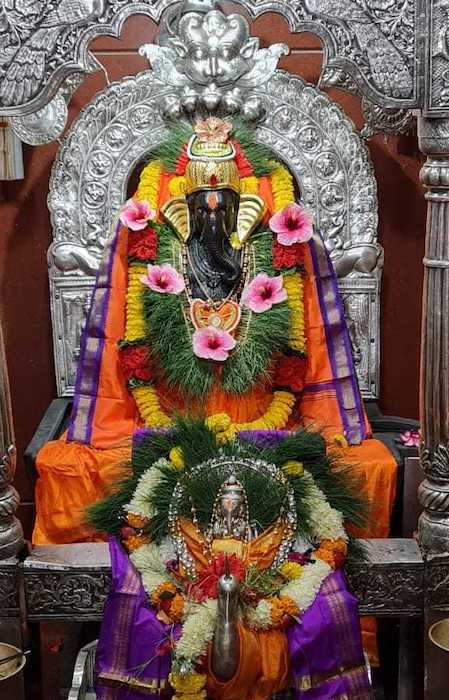
Temples of Ganesha
Shree Mahaganapati Temple, Khandola, Goa, India
Temples of Ganesha
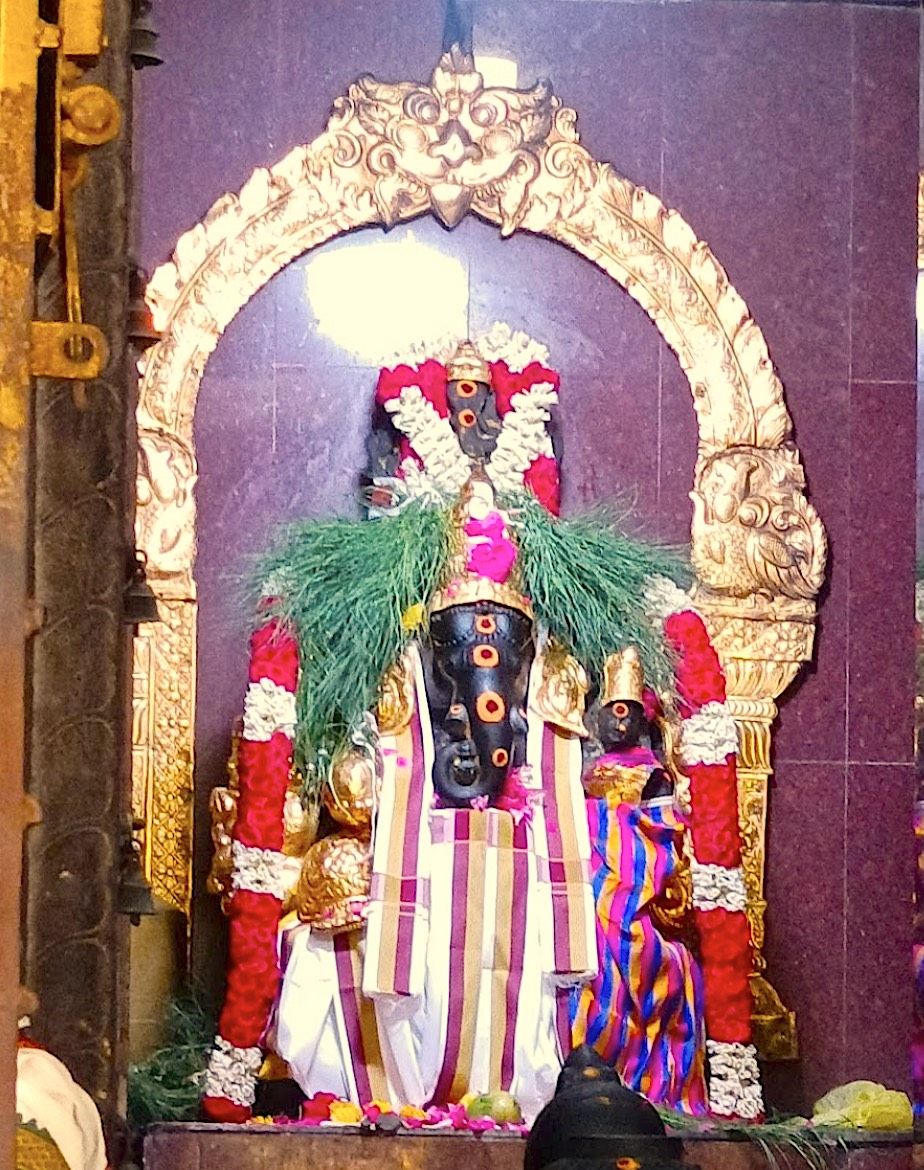
Varasiddhi Vinayaka Temple, Chennai, India
Temples of Ganesha